Viable Food Systems combines predictive data tools with real grocery operations experience to help communities act before access is lost, and recover when it already has been.
🏆 GroundTruth named a National Finalist in the 2026 Community College Innovation Challenge (AACC & NSF)
Grocery access problems do not all look the same. Neither does the help communities need.
Your community has lost its grocery store, or never had one. We help you evaluate the market honestly, understand the real capital requirements, identify the right ownership model, and build a case that can attract funders and partners.
Talk to usYour community has a grocery store that is at risk. Thin margins, rising costs, or operational challenges are threatening access. We help identify the root causes and explore what a realistic path forward looks like before a closure becomes inevitable.
Talk to usAn owner is retiring and the store's future is uncertain. Communities often lose grocery access not from failure, but from a gap in planning. We help structure transitions including cooperative conversions, employee ownership, and community-led acquisition.
Talk to usWhen a community loses its last grocery store, the damage radiates far beyond food access. Health outcomes fall. Property values erode. Those without transportation are left hardest. Most response systems wait for closure before they act. We work to change that, and when prevention is no longer possible, we help communities rebuild.
A quick look at how GroundTruth evaluates grocery access risk, and a deeper walkthrough for those who want to understand the full system.
A focused look at how the tool evaluates a community's grocery access risk using SNAP, Census, and geospatial data. No audio required.
A 45-minute walkthrough of the full platform: how grocery access is classified, why traditional food desert definitions fall short, and what the data actually shows across Illinois.
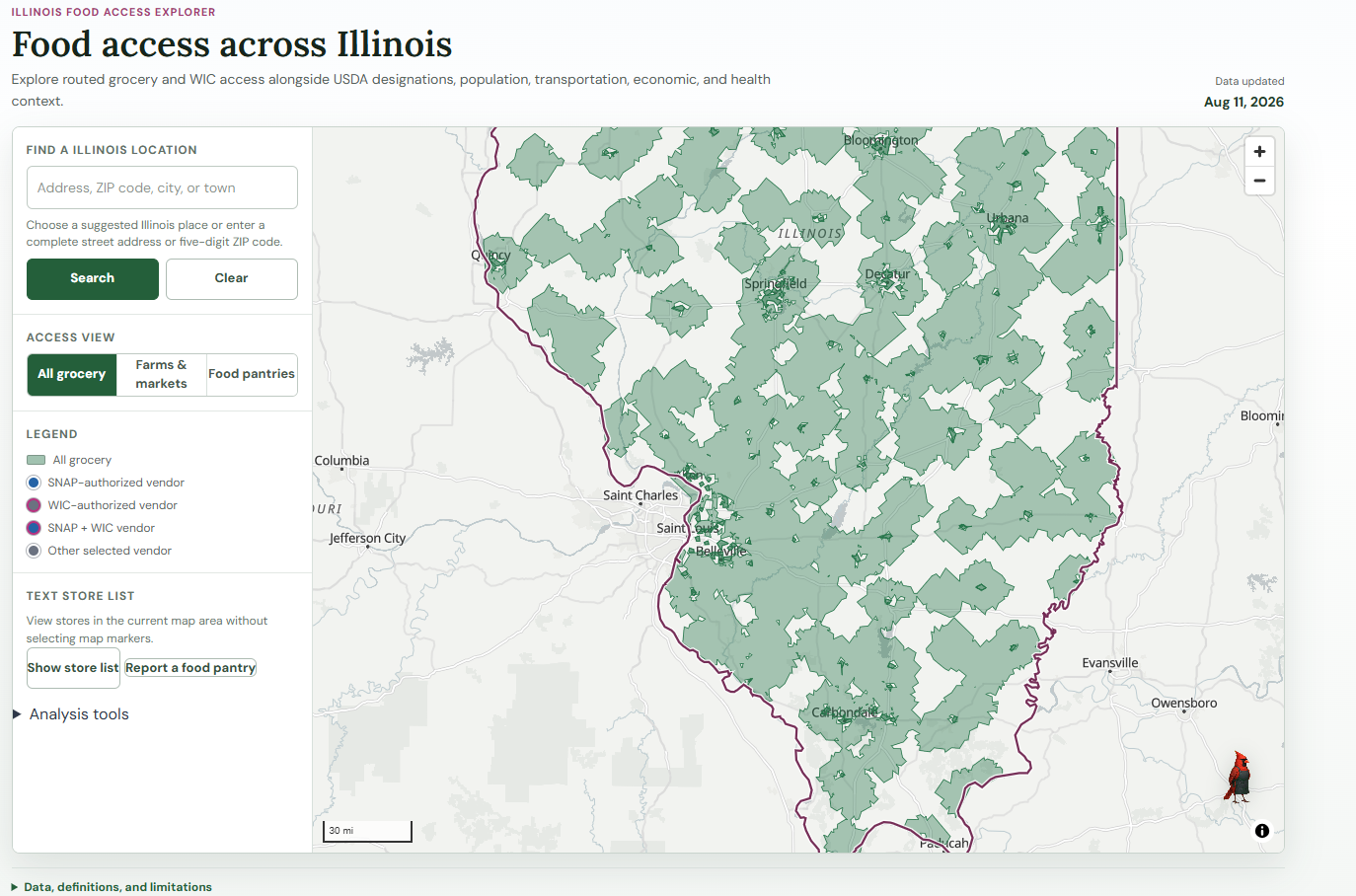
Watch the Full DemonstrationThis is not a static directory. It is a working demonstration of what the VFS platform can do when its data methodology is applied at the community level. Built on public government datasets and partially driven by the same scoring and classification logic behind GroundTruth, this map gives Illinois communities, planners, and agencies a real analytical view of food access conditions across the state.
What you see is a proof of concept built without paid API infrastructure. It classifies SNAP retailers by access type, integrates WIC vendor data, applies Census-based access rings, and overlays CDC health and economic indicators to produce a per-tract combined score.
Currently covers Illinois only. Scaling to real-time statewide or national coverage requires API infrastructure not yet funded. That is the deliberate next step, not a limitation of the methodology.
Updated data layers, improved performance, and sharper methodology built on the same GroundTruth scoring logic. Both V1 and V2 remain available.
Real-time store verification via Google Maps API. Routing-based distance analysis on actual road networks. Population-weighted predictive modeling. Statewide and eventually national coverage.
These are working tools built on public data, available at no cost. Paid consultation builds on this foundation with access to commercial-grade data sources that go significantly further.
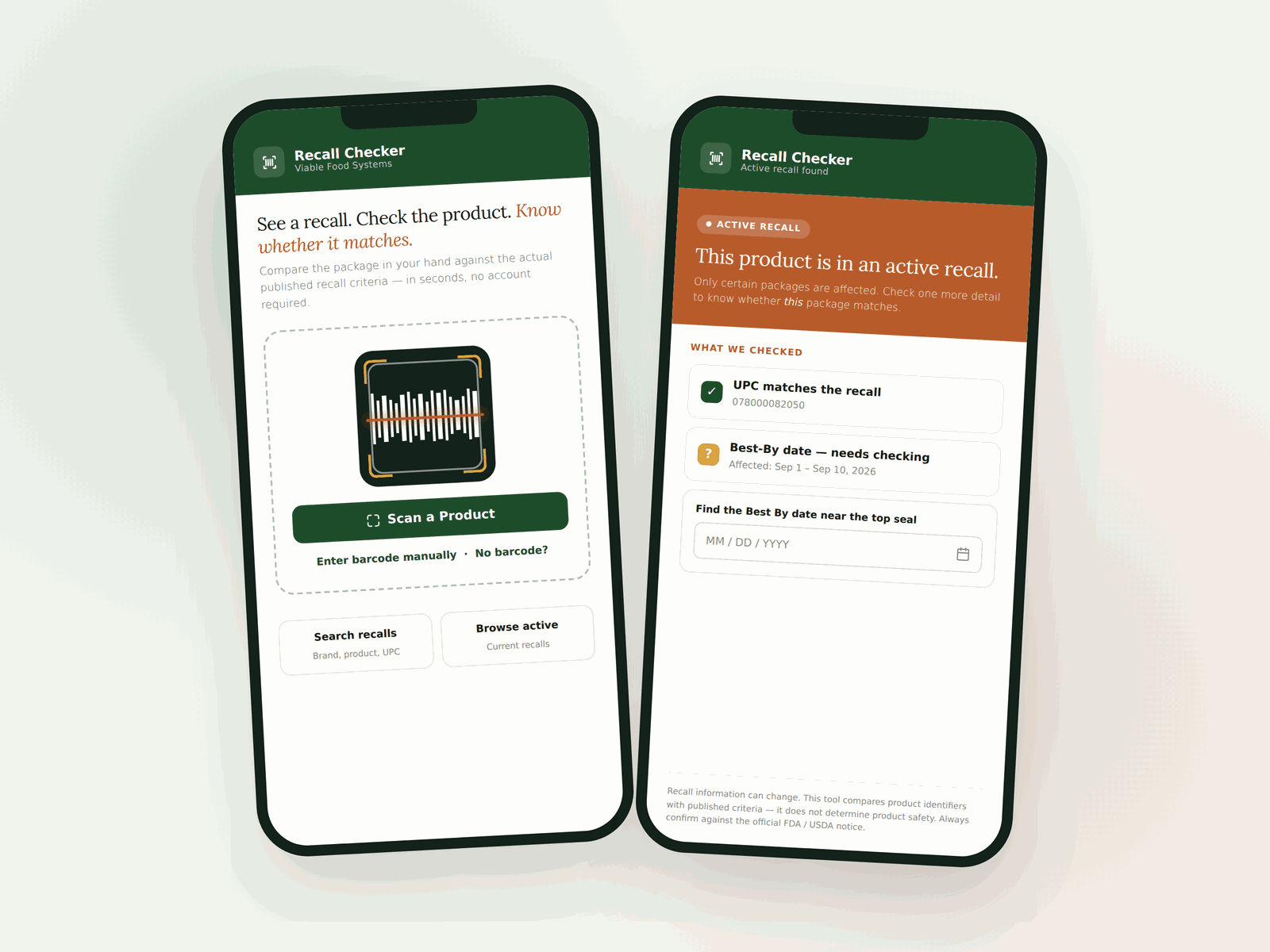
Identifies communities at risk of grocery loss before closures occur. SNAP, Census, and geospatial data produce a tract-level risk score. Free with a free account.
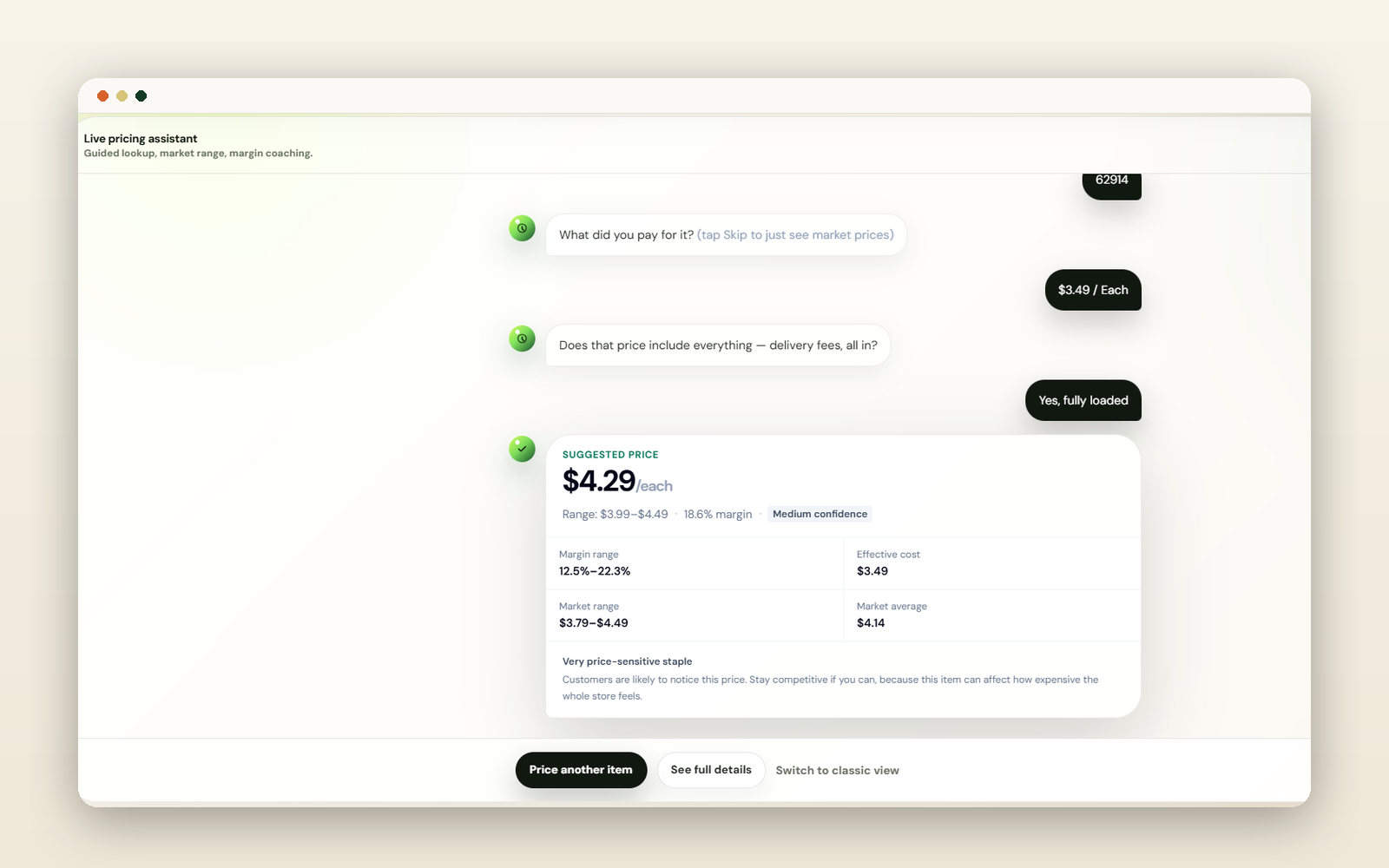
Evaluates the realistic annual sales potential of a proposed grocery store. A clear reality check before significant time or funding is committed.
Use the Estimator
Estimates the full capital required to open a grocery store. Starting with too little capital is one of the most common and most preventable reasons community grocery projects fail.
Use the Estimator
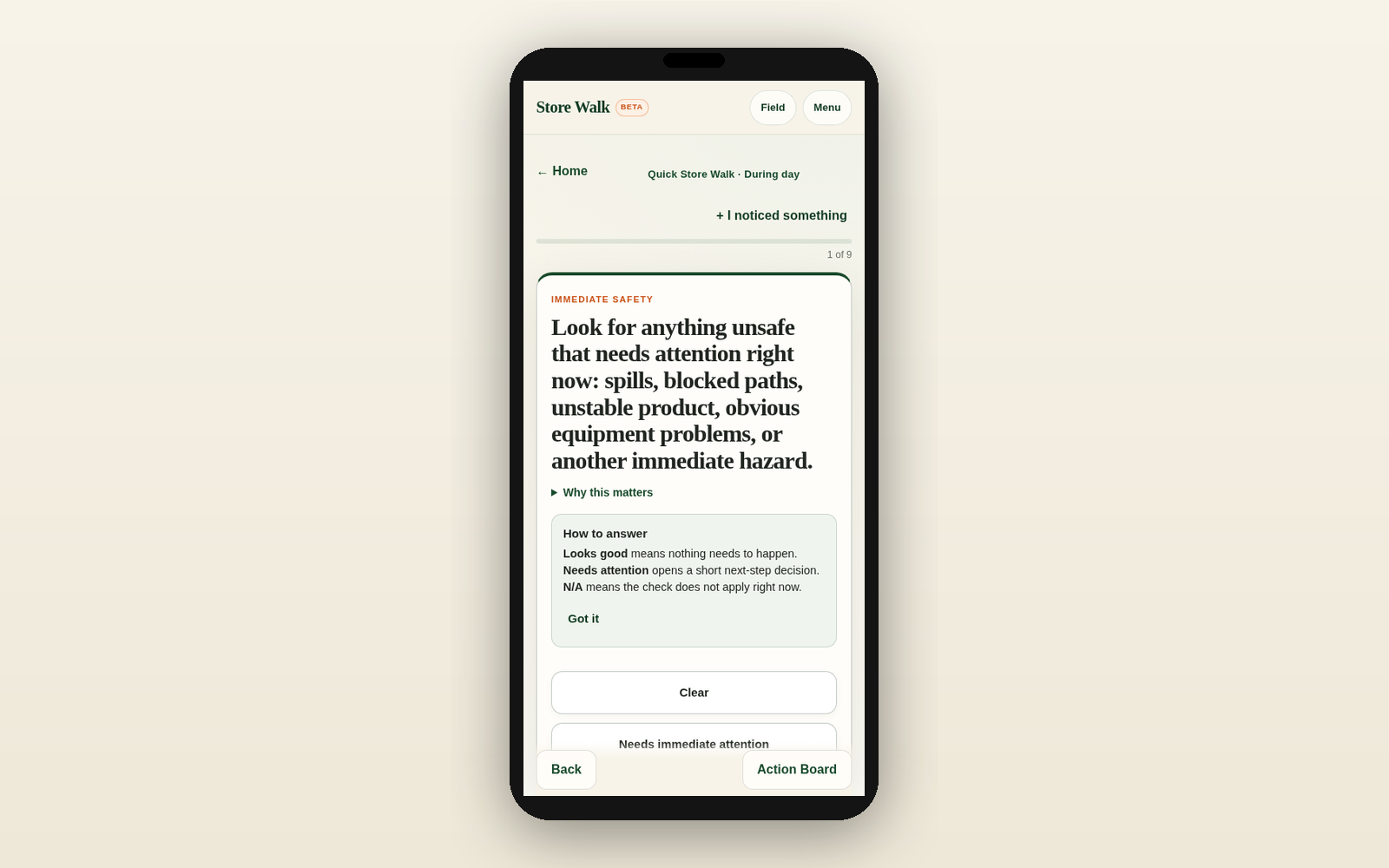
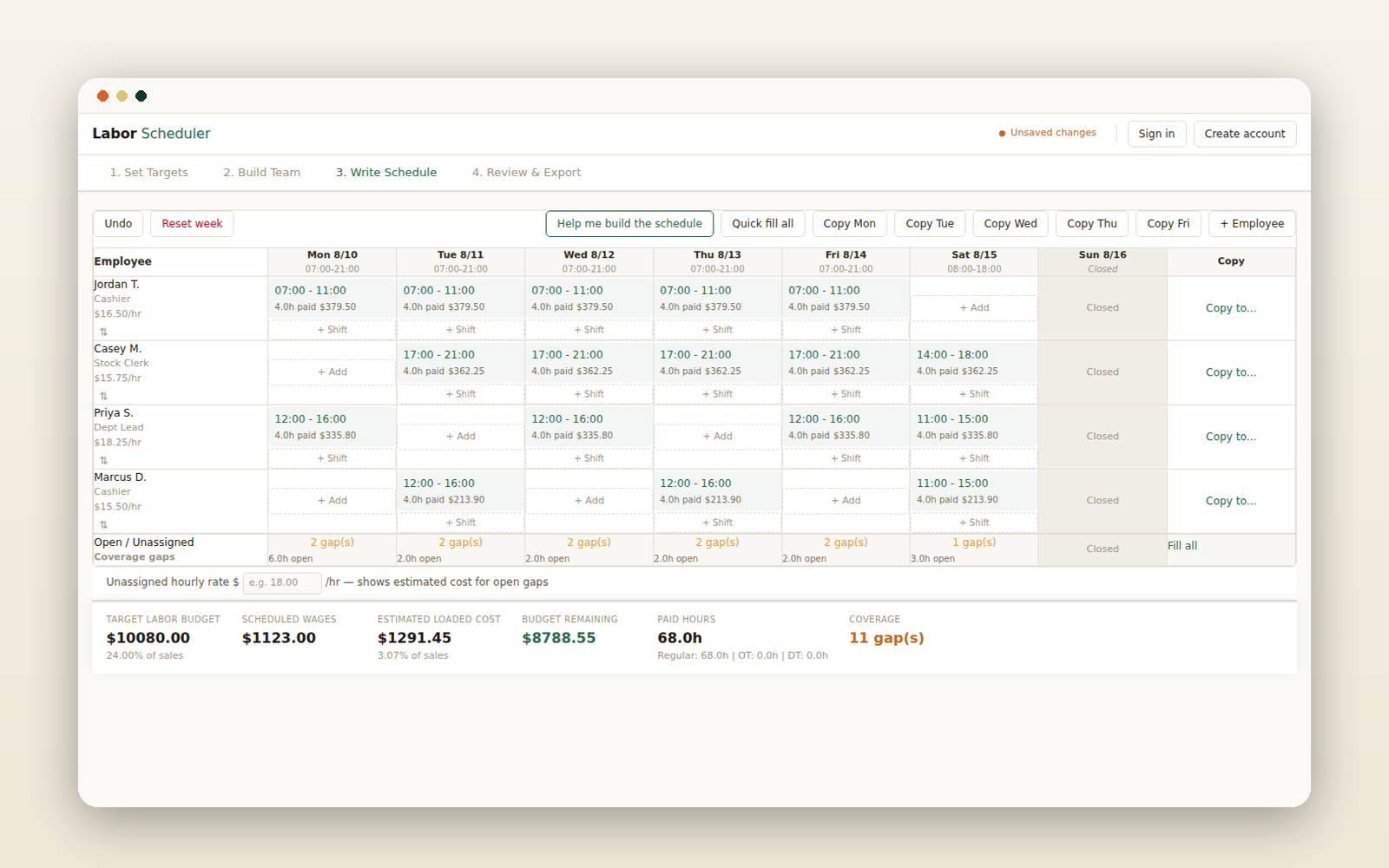
Schedules employees by department and calculates loaded labor costs with overtime. Useful for store managers controlling their biggest variable expense week to week, and for planners modeling labor requirements before a store opens.
Open the SchedulerThe free tools are a genuine starting point built on public data. Paid consultation unlocks access to commercial-grade data sources that go significantly further, combined with two decades of real grocery operations experience.
VFS founder Robert Edwards spent more than twenty years working in grocery management across urban and rural markets in the Indianapolis, Cincinnati, and Louisville regions. He has been part of opening stores and closing them. He has learned how community relationships function as an operational variable, not a soft concept, and how the food preferences and economic realities of one region differ meaningfully from the next.
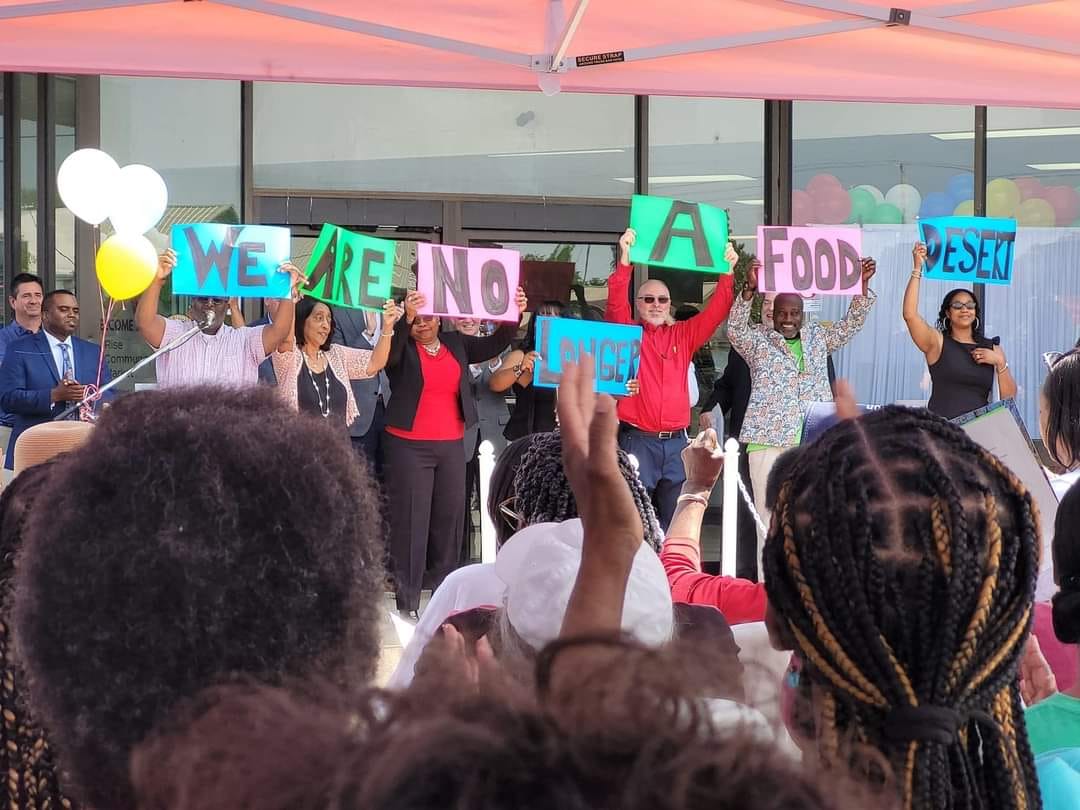
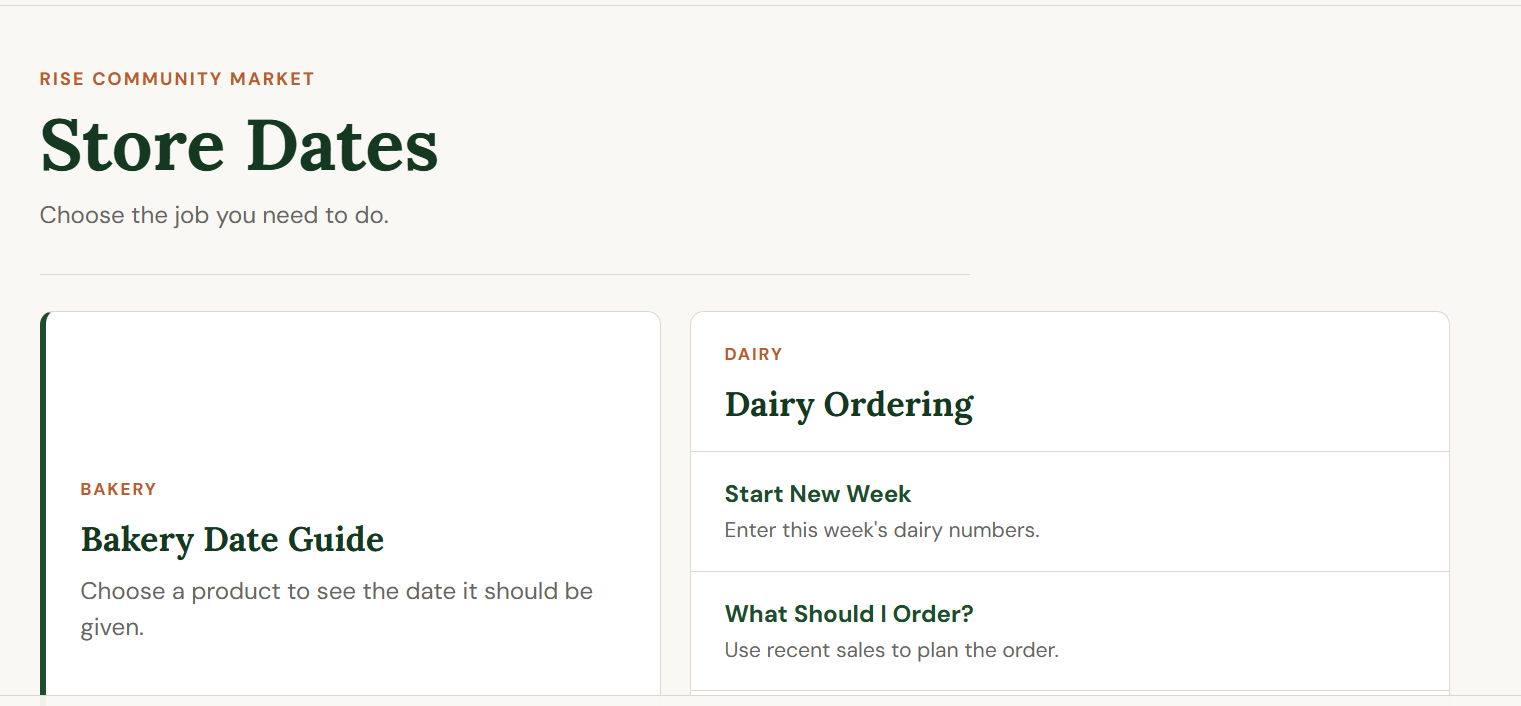
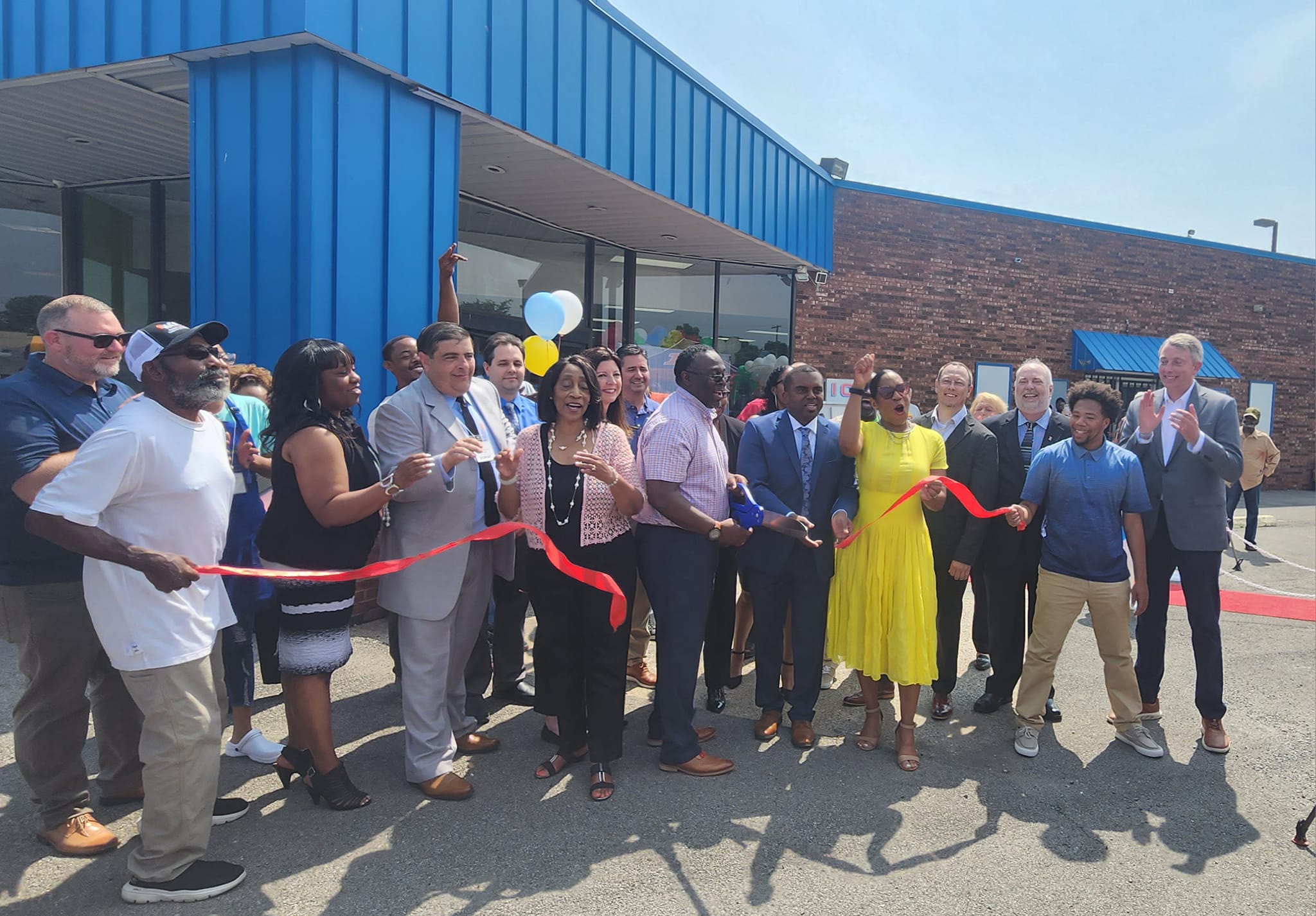
That experience brought him to Cairo, Illinois, where he opened Rise Community Market, the community's last full-service grocery store. He watched what it meant to people when the doors opened. He also watched the structural forces that closed it anyway: undercapitalization, grant funding structures that could not serve as operating capital, the compounding difficulty of running a grocery store in a market the larger system had long since written off.
Cairo was not the problem. Cairo did everything it could. That experience, and what it revealed about how communities lose stores they did everything right to keep, is what drives the work now. Robert supports state-level food access projects in Illinois and continues to build VFS as a long-term platform for communities that deserve better tools and better guidance than most of them currently have access to.
Cairo, Illinois. Grand opening of Rise Community Market.
Whether you are trying to open a store, keep one open, or plan for a transition, the first conversation is free. Tell us where you are and we will tell you honestly what we think the path forward looks like.
Press inquiries: redwards@viablefood.org